



How renewable energy can help churches manage operating costs, advance environmental
stewardship, and invest more in the communities they serve.
A Brighter Future for Church of the Trinity
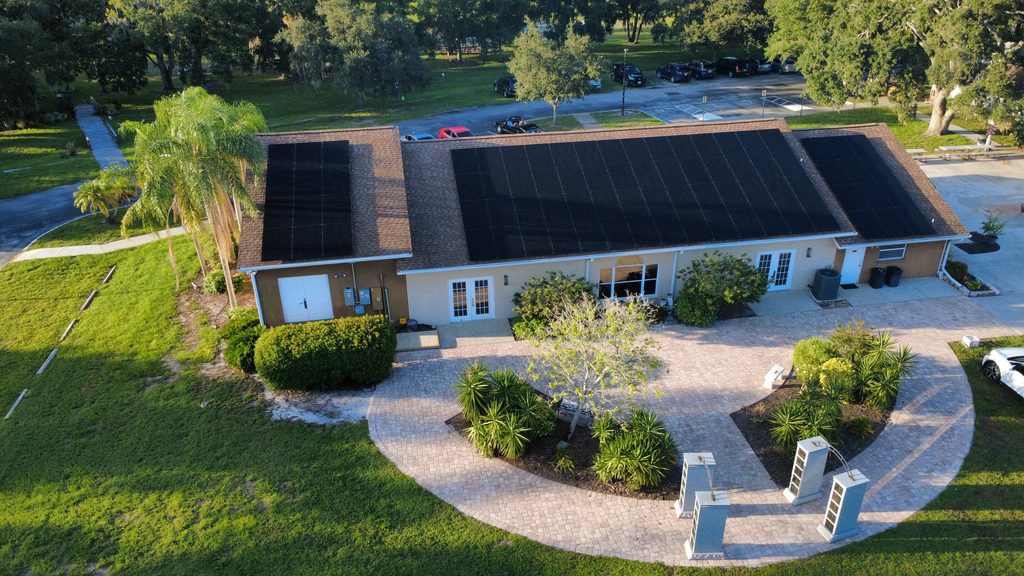
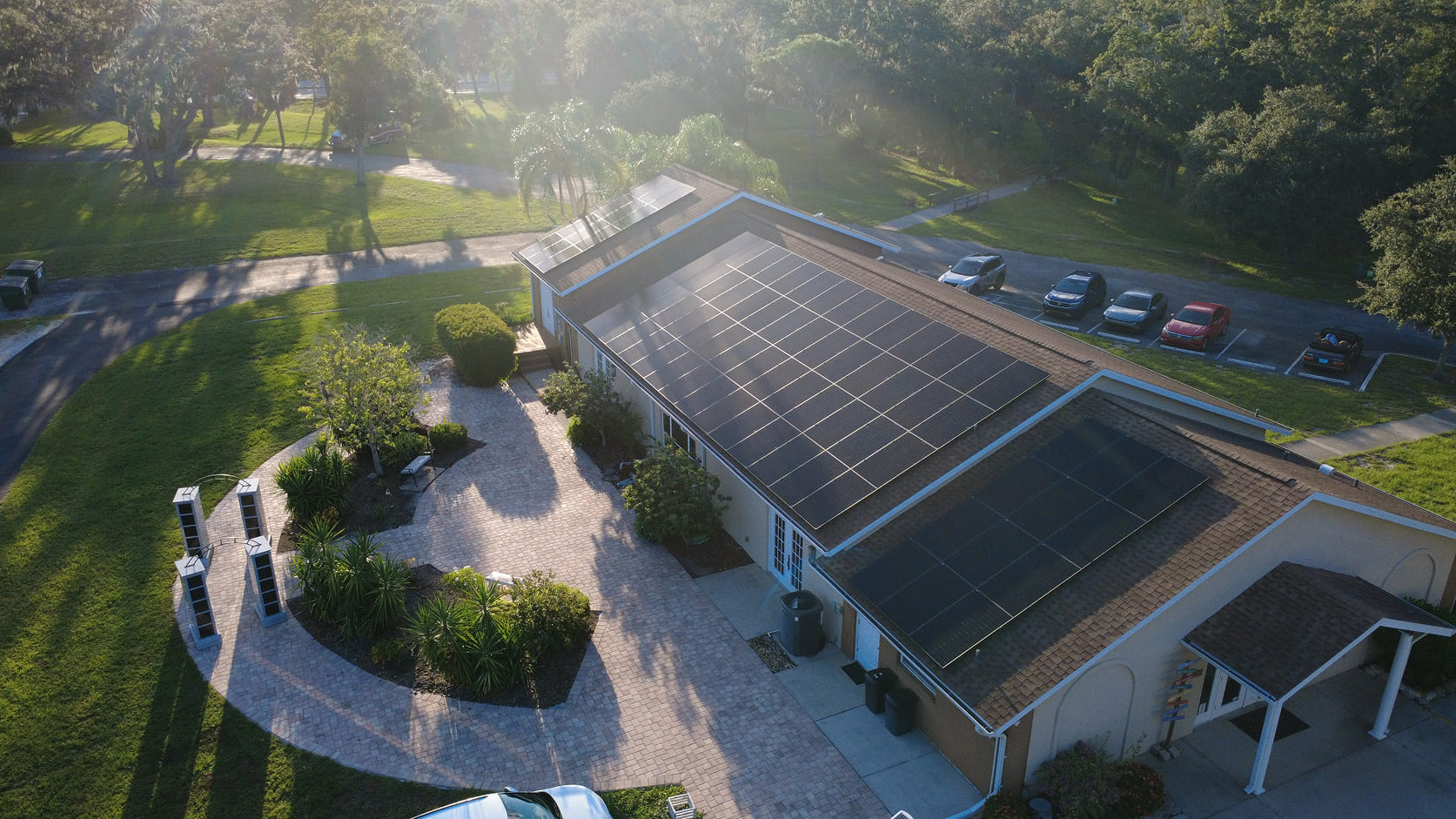
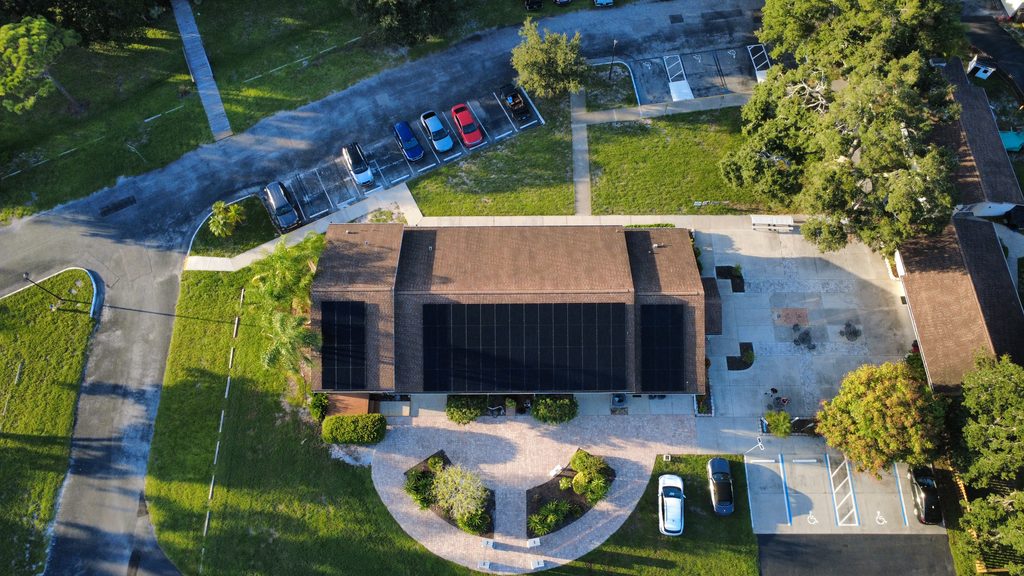
Sarasota, Florida – Electra Solar LLC is proud to highlight the completed 34.8 kW commercial solar
photovoltaic (PV) installation at Church of the Trinity in Sarasota, Florida. This project reflects the
growing interest among churches and community institutions in clean energy solutions that can support
both their facilities and their long-term missions.
Churches do more than provide places of worship. Many serve as gathering spaces for families,
outreach programs, education, and community support. As utility expenses rise, reducing operating
costs can help these organizations direct more resources toward the people they serve.
A Commercial Solar System Built for Long-Term Value
The 34.8 kW PV installation is designed to produce renewable electricity on-site and offset a portion of
the church’s electricity purchases. Actual energy savings will depend on sunlight, equipment
performance, utility rates, and the building’s consumption patterns.
- Lower utility expenses: On-site solar production can reduce electricity purchased from the grid.
- Greater budget predictability: Solar can help limit exposure to future electricity price increases.
- Resources for outreach: Potential savings can support ministries, youth activities, facility
improvements, and charitable programs. - Environmental stewardship: Renewable power can reduce reliance on conventional electricity
generation. - Long-term value: Properly maintained PV systems can provide electricity over many years.
Why More Churches Are Exploring Solar
Reducing Facility Operating Costs
Church facilities often use considerable electricity for air conditioning, lighting, offices, kitchens, and
events. In Florida, daytime air-conditioning demand can align well with solar production, making PV
worth evaluating for churches with suitable roofs and electricity profiles.
Investing in the Community
When utility expenses decrease, religious and nonprofit organizations may have greater flexibility to
fund service programs, educational initiatives, and local assistance. The financial outcome depends on
each project, but the objective is clear: put more of the organization’s budget toward its mission.
Leading by Example
Installing solar provides a visible demonstration of responsible energy use. Projects such as Church of
the Trinity can help congregation members and neighboring organizations learn how renewable
technologies work and consider similar opportunities.
Federal Tax Credits Can Help Eligible Churches Go Solar
Federal clean-energy tax incentives can be an important financial consideration for qualifying churches
and other tax-exempt organizations. Although these organizations generally do not owe federal income
tax, the IRS Elective Pay (Direct Pay) mechanism can allow eligible tax-exempt entities to receive the
value of certain clean-energy credits as a payment, if all requirements are met.
For qualifying solar investments, the federal clean electricity investment credit under Section 48E may
be relevant. Credit eligibility and value depend on the specific project, ownership, construction and
service dates, applicable wage and domestic-content rules, and IRS filing requirements. For certain solar
projects beginning construction after July 4, 2026, the credit is generally unavailable if the project is
placed in service after December 31, 2027; special rules may apply to earlier-started projects.
These incentives can improve project economics and potentially allow more funding to remain available
for community-focused activities. Electra Solar is not representing that Church of the Trinity has claimed
or received any particular tax credit. Churches should consult qualified tax advisers to determine
eligibility and required documentation.
More Than Electricity: Community Impact
A solar installation can deliver benefits beyond its electrical output. By making a long-term investment
in energy infrastructure, a church can work toward more sustainable operations while setting an
example for nearby institutions. Over time, possible utility savings can support the programs and
gathering spaces that help communities thrive.
Solar panels do not, by themselves, provide backup power during a utility outage. Organizations seeking
resilience should separately assess whether compatible battery storage and appropriate electrical
equipment are needed.
Electra Solar: Supporting Community and Commercial Energy Projects
Electra Solar LLC delivers residential and commercial solar, electrical construction, EV charging
infrastructure, and energy storage solutions. The Church of the Trinity installation underscores our
commitment to safe, professionally executed renewable energy projects for organizations of all kinds.
Our services include commercial photovoltaic installations, electrical infrastructure upgrades,
equipment integration, testing, and energy storage solutions tailored to project needs.
Powering Buildings. Supporting Communities.
The 34.8 kW Church of the Trinity solar project represents more than an equipment installation. It
reflects the potential for renewable energy to help mission-driven organizations manage their facilities
and plan for a sustainable future.
Is your church, nonprofit, or business considering solar? Contact Electra Solar LLC to explore a
commercial solar solution for your facility in Sarasota or throughout Florida.